Memory card game: how to play Concentration
Also known as: Concentration, Pairs, Pexeso, Match up
Learn the classic memory card game, also called Concentration or Pairs: turn two cards, remember places, make matches. Tips for kids and a free online version.
- Type
- Card game
- Players
- 1–6
- Age
- Ages 3+
- Play time
- 5–20 min
- Origin
- Traditional card game played worldwide
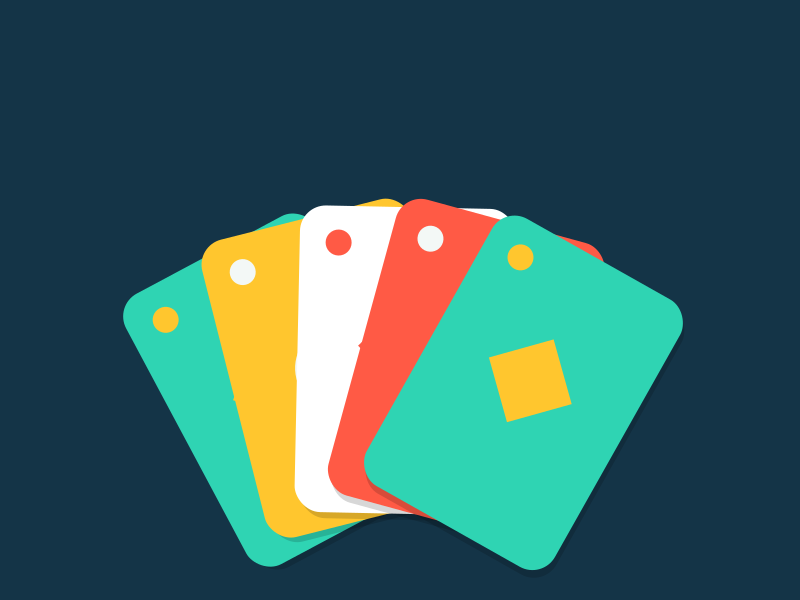
The memory game, also known as Concentration or Pairs, is a classic card game where players turn cards face up two at a time and try to find matching pairs. All cards start face down in a grid, so success depends on remembering where each picture has already appeared. It can be played with a normal deck of playing cards, where pairs are cards of the same rank and colour, or with special picture cards for young children. Because the rules are so simple, many children play it before they can read. It is also a popular warm-up for adults who want to test their short-term memory. A round takes only a few minutes, and the same set can be played again and again with a fresh shuffle.
Our verdict
Memory is one of the best first games for young children. It trains attention, visual memory and turn-taking, and children are often surprisingly good at it, sometimes beating adults. Rounds are short, so it suits short attention spans. Picture sets can match any interest, from animals to letters to numbers, which also makes it a gentle learning tool. You can play our own colourful version, Memory, free in the browser on Playdonya.
What works
- Perfect first game for young children
- Trains memory and attention
- Any number of pairs for any age
What does not
- Little strategy for older players
- Cards are easily moved by accident, which spoils the round
How to play Memory (Concentration)
Shuffle a set of matching pairs and lay all cards face down in rows. For small children, start with six to ten pairs; for older players, use more. Players take turns. On your turn, turn over any two cards so everyone can see them. If they match, you keep the pair and take another turn. If they do not match, turn both cards face down again in the same places, and the next player takes a turn. Everyone should watch closely, since every turned card gives information. The game ends when all pairs have been found, and the player with the most pairs wins. In the solo version, you play against yourself and try to clear the grid in as few turns as possible, or against a timer.
Tips for new players
- Turn over a new card first, then use your memory to choose the second card.
- Say the names of the pictures quietly to help you remember them.
- Remember cards turned by other players, not only your own.
- For very young children, use fewer pairs and pictures that are easy to tell apart.
Good for
Memory (Concentration): common questions
What is another name for the memory game?
It is also called Concentration, Pairs or Match up, and in some countries Pexeso.
At what age can children play memory?
Many children can play from around three years old with a small number of clear picture pairs.
Can I play the memory game online?
Yes. Playdonya has its own free memory game, called Memory, that runs in your browser on phones and computers.
Memory (Concentration) belongs to its owners. Playdonya is not connected to them and does not sell this game; the cover is our own illustration.